
FIND THE CONTENTS THAT INTEREST YOU

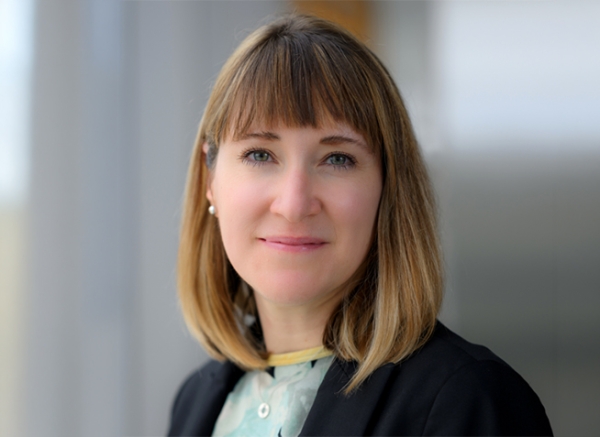
Betar M. Gallant is the Kendall Rohsenow Professor in the Department of Mechanical Engineering at MIT. She obtained her SB, SM, and PhD degrees from the same department, following which she was a Kavli Nanoscience Institute Postdoctoral Fellow at Caltech. Her research group at MIT focuses on advanced battery chemistries and materials for high-energy rechargeable and primary batteries, including high-energy cathode conversion reactions and lithium, sodium, and calcium metal anodes and their interfaces, and advanced electrolyte design for Li- and Na-ion batteries. Her group is also leading research into electrochemical CO2 capture including design of novel redox-active sorbents, and sorbent integration with direct electrochemical conversion from the captured state. She is the recipient of multiple awards including an Army Research Office Young Investigator Award, the National Science Foundation CAREER Award, The Electrochemical Society (ECS) Battery Division Early Career Award, an ECS-Toyota Young Investigator Award, the ACS Energy & Fuels Division Glenn Award and a Rising Star Award, the ECS Charles W. Tobias Young Investigator Award, the MIT Faculty Founders $100k Breakthrough Prize, and the Ruth and Joel Spira Award for Distinguished Teaching at MIT.
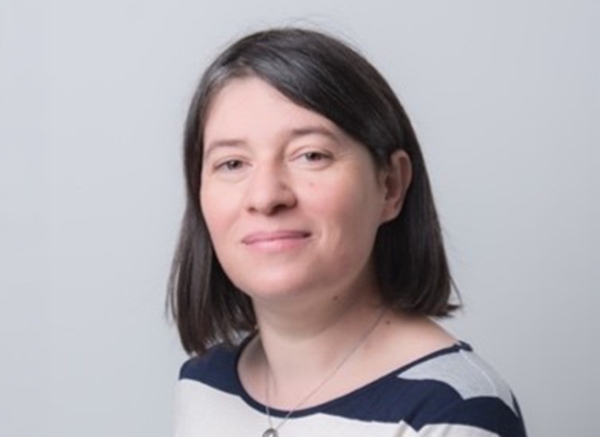
Claire Villevieille earned her PhD from the University of Montpellier in 2009, focusing on the development of alloy materials for Li-ion batteries under the supervision of Laure Monconduit. Subsequently, she spent ten years at the Paul Scherrer Institute, initially as a senior researcher supervised by Prof. Petr Novak, and later as Group Leader of the Battery Materials and Characterization group. Her research concentrated on advancing operando techniques both in laboratory and at large-scale facilities, including synchrotron and neutron sources, to better understand complex reaction mechanisms in various electrochemical systems such as Li-ion batteries, Na-ion batteries, and Li-S batteries.
In 2021, Dr. Villevieille joined the LEPMI laboratory as a CNRS Research Director and received her habilitation à Diriger des Recherches (HDR) that same year. Her current work encompasses solid-state batteries based on thiophosphate materials and water-based electrolytes. She is committed to investigating intricate reaction mechanisms within battery systems utilizing diverse operando methodologies at both lab and facility scales, aiming to overcome limitations related to ionic and electronic transport properties. Her core research interests include solid-state synthesis, electrochemical behavior, and the bulk–surface relationships of electrode and electrolyte materials.
To date, Dr. Villevieille has supervised over 30 students and postdoctoral researchers, published more than 140 articles, and has been honored with several awards from professional societies in materials science and battery research (ISE, IBA, SCF, among others).
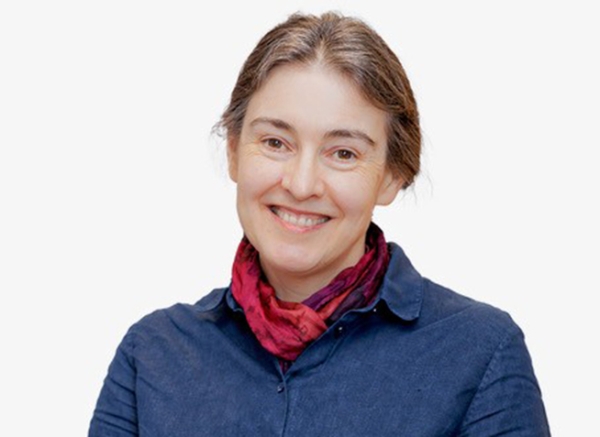
Clare P. Grey, FRS, DBE is the Geoffrey Moorhouse-Gibson and Royal Society Professor of Chemistry at Cambridge University and a Fellow of Pembroke College Cambridge. She received a BA and D. Phil. (1991) in Chemistry from Oxford University. After post-doctoral fellowships in the Netherlands and at DuPont CR&D in Wilmington, DE, she joined the faculty at Stony Brook University (SBU) in 1994. She moved to Cambridge in 2009, maintaining an adjunct position at SBU. She was the founding director of the Northeastern Chemical Energy Storage Center, a Department of Energy, Energy Frontier Research Center, the director of the EPSRC Centre for Advanced Materials for Integrated Energy Systems (CAM-IES) and a founding member of the Faraday Institution. Recent honors/awards include the Société Chimique de France, French-British Prize (2017), the Solid State Ionics Galvani-Nernst-Wagner Mid-Career Award (2017), the Eastern Analytical Symposium Award for Outstanding Achievements in Magnetic Resonance (2018), the Italian Chemical Society Sacconi Medal (2018), the Charles Hatchett Award, IoM3 (2019), the RSC John Goodenough Award (2019), the Richard R. Ernst Prize in Magnetic Resonance (2020), the RS Hughes Award (2020), the Körber European Science Prize (2021), the ACS Central Science Disrupters Prize (2022) and the ISMAR Prize (2025). She is a Fellow of the Royal Society, the Electrochemical Society, and the International Society of Magnetic Resonance, a Foreign member of the American Academy of Arts and Sciences, an International Member of the National Academy of Sciences (NAS), has an Honorary Fellowship from the Royal Society of Chemistry and received a DBE in 2022. Her current research interests include the use of solid state NMR and diffraction-based methods to determine structure-function relationships in materials for energy storage (batteries and supercapacitors), and conversion (fuel cells). She is a cofounder of the company Nyobolt, which seeks to develop batteries for fast charge applications, and the instrument manufacturer illumion.
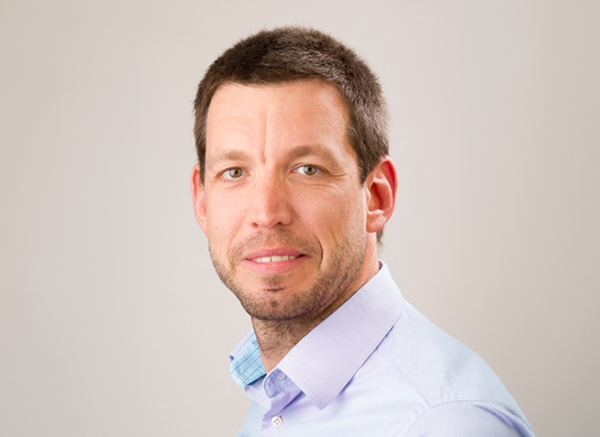
Corsin Battaglia directs the laboratory Materials for Energy Conversion at Empa, the Swiss Federal Laboratories for Materials Science and Technology, and is Adjunct Professor of Electrical Engineering at ETH Zurich, Department of Information Technology and Electrical Engineering and Adjunct Professor of Materials Science at EPFL, School of Engineering, Institute of Materials. He received his PhD in Physics from the Université de Neuchâtel, followed by postdoctoral research at EPFL, and subsequently at the University of California Berkeley and the Lawrence Berkeley National Laboratory, before joining Empa in 2014. His research focuses on developing new materials and scalable manufacturing processes for next-generation sustainable energy storage, with a particular emphasis on understanding interfaces between electrodes and electrolytes in lithium-ion, sodium-ion, and post-lithium-ion batteries. He integrates lab automation and machine learning to accelerate materials discovery and validation.
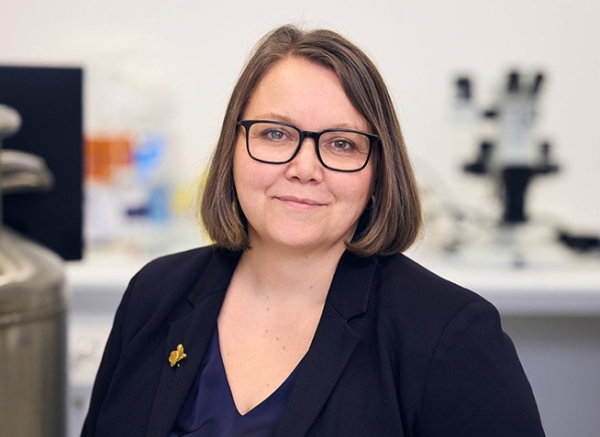
Dorthe Bomholdt Ravnsbæk is a Professor of Materials Chemistry and the Director of the Center for Sustainable Energy Materials (CENSEMAT) at the Department of Chemistry, Aarhus University, Denmark. She obtained her Ph.D. in Nanotechnology from Aarhus University in 2011 and subsequently held a postdoctoral position with Yet-Ming Chiang at Massachusetts Institute of Technology (MIT, USA) until 2014. Her research revolves around developing sustainable battery materials, particularly on developing and understanding electrode materials through synthesis, atomic and nano-scale characterization using operando and synchrotron-based methods for studying structural changes during electrochemical processes in real time.
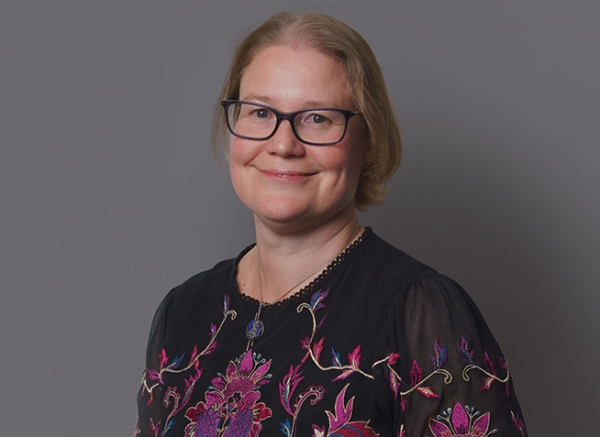
Professor Emma Kendrick is Chair of Energy Materials at the University of Birmingham and co-lead of the Energy Materials Group (EMG). A Chartered Chemist and Fellow of the Royal Society of Chemistry and the Institute of Materials, Minerals and Mining, her research spans the design and development of sustainable battery technologies, encompassing materials, manufacturing, and recycling across lithium-ion and sodium-ion chemistries. She currently leads the Faraday Institution FAST project on sustainable battery formation and ageing.
With a career in industry before academia, she was formerly Chief Technologist in Energy Storage at SHARP Laboratories of Europe and Lead Scientist at two lithium-ion battery SMEs. Her work on battery parameterisation was spun out into the company About: Energy in 2021.
Emma has been widely recognised for her contributions to sustainable battery science. Her awards include the 2026 IOM3 Gold Medal, 2024 RSC Horizon Prize for battery recycling (as part of RELIB), the RSC 2021 Environment, Sustainability and Energy Division Mid-Career Award, the 2021 Faraday Institution Researcher Development Champion award, and the 2019 Hothersall Memorial Award.
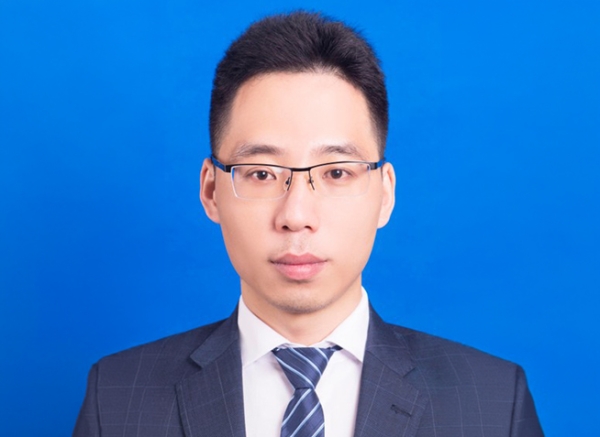
Professor & Dr. Heng Zhang received his PhD degree in School of Chemistry and Chemical Engineering at Huazhong University of Science and Technology (HUST, China). Then, he joined CIC energiGUNE as a post-doc researcher working with Prof. Michel Armand, and later he acted as the research line manager of polymer electrolyte at CIC energiGUNE. He is currently a Full Professor of School of Chemistry and Chemical Engineering at HUST and an Ikerbasque Research Associate at CIC energiGUNE. He is also serving as a committee member of International Symposium on Polymer Electrolytes (ISPE). Professor Zhang and his team mainly focus on the development of new fluorinated anions, ionic liquids and alkali metal salts, and their nonaqueous electrolyte materials, particularly solid polymer electrolytes, aiming to providing industrially viable solutions in anion design for better rechargeable batteries. To date, Professor Zhang has published more than 130 peer-reviewed papers (> 11,000 citations; H-index: 53) on top-ranking journals related to chemistry and energy materials (cf. http://www.researchgate.net/profile/Heng-Zhang-112).
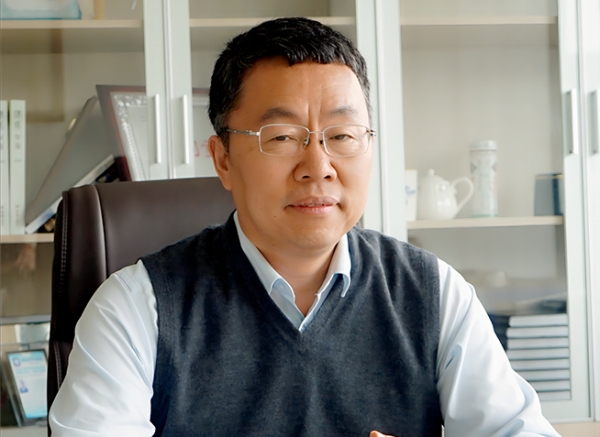
He has studied materials for lithium batteries since 1993. His main research interests are key materials and battery technologies for high energy density lithium batteries and solid-state lithium batteries. He has published over 670 papers in peer-reviewed journals with over 60000 times citation and the H-factor is 137. He has filed over 300 patents and 160 patents have been granted. He is a board member in International Meeting of Lithium batteries, International Society of Solid State Ionics and Asia Society of Solid State Ionics.
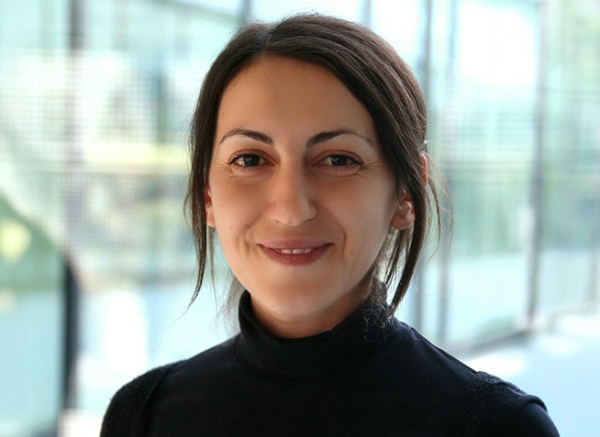
Ivana Hasa is Associate Professor of Electrochemical Materials at WMG, University of Warwick (UK). She obtained her PhD in 2015 from Sapienza University of Rome, working on materials for sodium-ion batteries, and subsequently held research positions at Lawrence Berkeley National Laboratory (USA) and the Helmholtz Institute Ulm (Germany) before joining WMG in 2020.
Her research focuses on next-generation sustainable battery technologies, particularly sodium-ion batteries, advanced electrode materials and electrode–electrolyte interfaces. She combines materials design, structural characterisation and electrochemistry to understand structure–property–performance relationships, while also supporting the translation of new battery chemistries from materials discovery to cell development and scale-up at WMG’s Energy Innovation Centre.
She was named a Journal of Materials Chemistry A Emerging Investigator in 2023 and received a Highly Commended recognition in the Faraday Institution Researcher Development Champion Award 2026 for her leadership of the WMG Battery School. She is Technical Advisor for the Advanced Materials Working Group of the Batteries European Partnership Association (BEPA) and holds editorial roles with Batteries & Supercaps and Journal of Power Sources Advances.
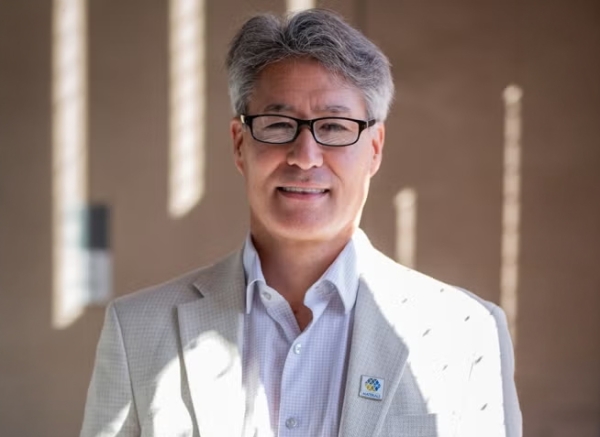
Jeff Sakamoto joined UC Santa Barbara’s College of Engineering faculty in November 2023 with joint appointments in the Mechanical Engineering and Materials Departments. He has 25 years of experience studying and translating electrochemical materials into energy storage technologies.
Sakamoto’s research group designs and synthesizes ceramic electrolytes, tests their electrochemical and mechanical properties, and develops manufacturing processes to help commercialize high performance, safe, and low-cost batteries. His work has advanced the area of ionically conducting ceramics, or ceramic ion conductors (CICs), which are critical materials for solid-state and flow cell batteries for EVs and the electrical grid, respectively.
Prior to joining the UCSB faculty, Sakamoto spent nine years at the University of Michigan, where he served as director of Michigan’s Department of Energy Frontiers Research Center, called the Mechano-chemical Understanding of Solid Ion Conductors), MUSIC. Last year, Sakamoto also served as the faculty lead in a successful push to establish the EV Center at Michigan, testifying before state representatives about the importance of developing next-generation batteries, manufacturing state-of-the-art Li-ion batteries, and educating and training battery scientists and engineers.
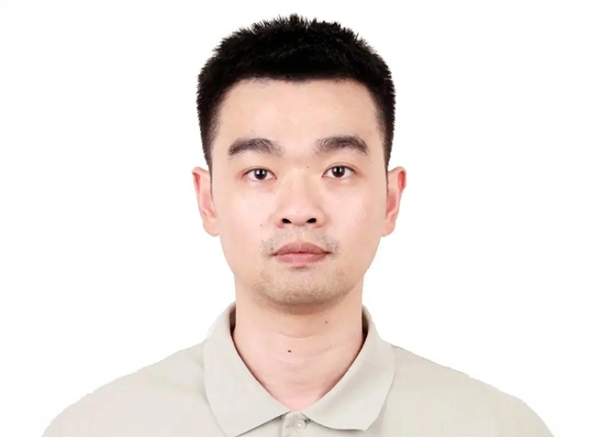
Kime is responsible for IEST´s international business development, strategic partnerships, and collaboration with battery manufacturers, research institutions, and technology companies worldwide. He has extensive experience working with customers and research teams across the global battery industry, with a particular focus on battery materials characterization, electrode evaluation, electrochemical testing, and advanced automated battery testing technologies.
Kime is also actively involved in IEST´s international cooperation and technology partnerships, supporting the development and application of advanced battery characterization solutions for next-generation lithium-ion and solid-state battery technologies.
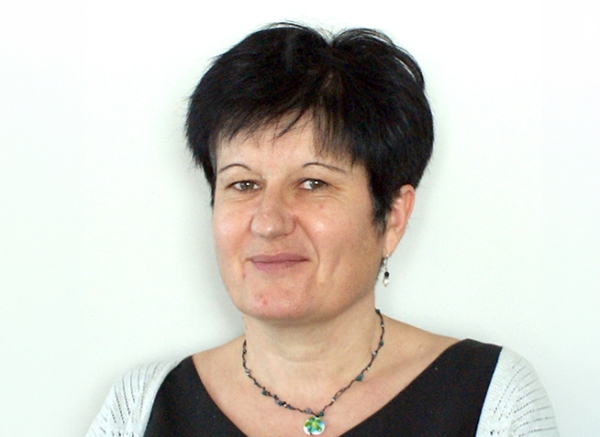
Laurence Croguennec is CNRS Research Director and Deputy Director at the Institute of Condensed Matter Chemistry at the University of Bordeaux. She leads researches (i) on the crystal chemistry of electrode materials developed for Metal-ion and solid-state batteries, (ii) on the characterization of mechanisms involved upon cycling and aging of batteries, and (iii), in collaboration with European neutrons and synchrotron large scale facilities, on the development of characterization tools for in situ and operando characterization of materials during the operation of batteries. She is co-author of more than 190 papers, and was laureate in 2025 of the CNRS Silver Medal, the International Battery Association Research Award and the International Society of Electrochemistry Prize for Electrochemical Energy Conversion and Storage in honour of Bruno Scrosati.
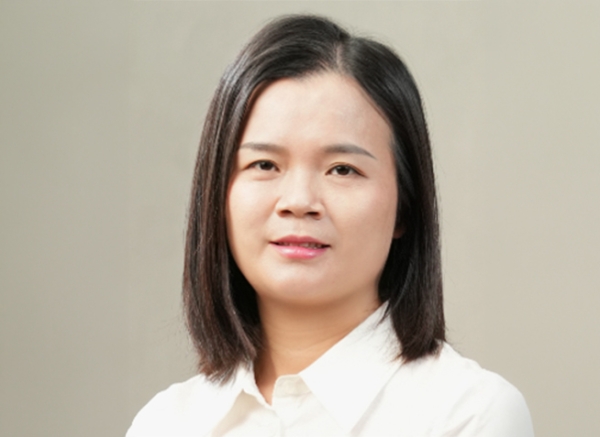
Liping Wang is a full professor at the University of Electronic Science and Technology of China. She received her dual PhD in 2011 from the Institute of Physics, Chinese Academy of Sciences (China) and LRCS, Université de Picardie Jules Verne (France). She was a postdoctoral fellow at the Max Planck Institute (Germany) and a research associate at Brookhaven National Lab (USA). Her research focuses on Li-based high-energy rechargeable batteries, covering electrode materials and wide-temperature electrolytes. She has published over 150 papers in journals such as Joule, JACS, and Advanced Materials, with >9,000 citations. She holds 20 granted patents and was awarded the National Outstanding Youth Science Fund of China.
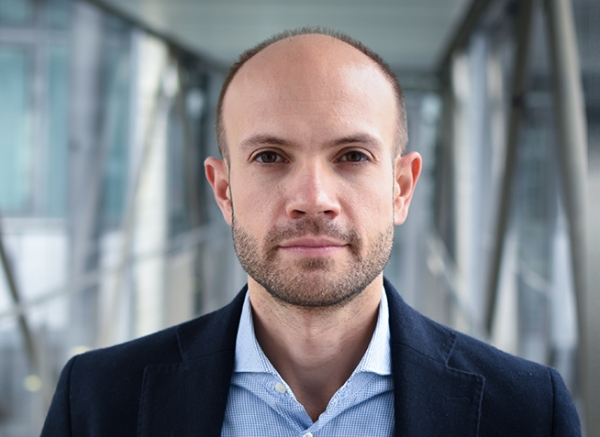
Matteo Bianchini studied physics engineering at Politecnico di Milano and obtained his PhD in Solid State Chemistry in 2015 with Prof.Masquelier, Dr.Croguennec and Dr.Suard (LRCS, ICMCB and ILL). He was a postdoctoral researcher in the group of Prof.Ceder at LBNL, working on the design, synthesis, and characterization of materials for Na/K-ion batteries. He was then postdoc at BELLA-KIT (Prof.Janek), where he investigated Ni-rich cathode materials for Li-ion batteries, prior to joining BASF as a lab team leader. In 2021 Matteo obtained the chair of Inorganic Active Materials for Electrochemical Energy Storage at the University of Bayreuth, part of the Bavarian Center for Battery Technology (BayBatt), where his group investigates electrode materials, synthetic methods and analytical tools for next-generation batteries. As of 2025, Matteo is vice-director of BayBatt and ALISTORE co-director. Matteo was recognized with the ERC starting grant and with the Early Career Awards from IBA and ECS Battery Division.
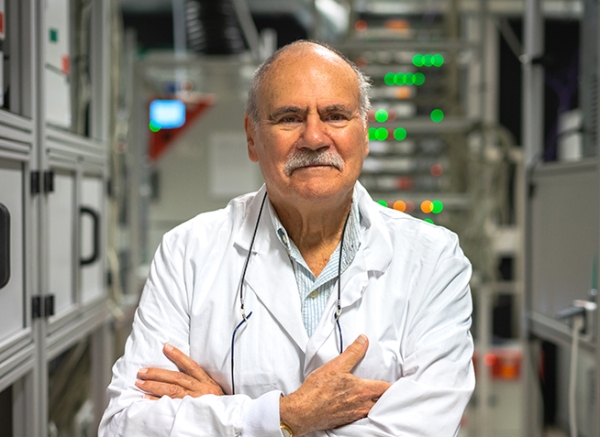
Michel Armand earned his Ph.D from Université Joseph Fourier in Grenoble in 1978. He was Director for Research at CNRS, France since 1989 and Professor at U. Montreal (1995−2004). He has pioneered the use of intercalation electrodes (1972), introduced polymer electrolytes (1978), new salts based on delocalized anions, FSI, TFSI, TDI, (1986), organic electrode materials (1996) and the carbon coating for LiFePO4 (1998). He joined CIC energiGUNE in 2013, and activities include new solvating polymers, salts and organic and inorganic electrode materials; he has > 500 publications, a H factor of 131; his work has been quoted > 100,000 times.
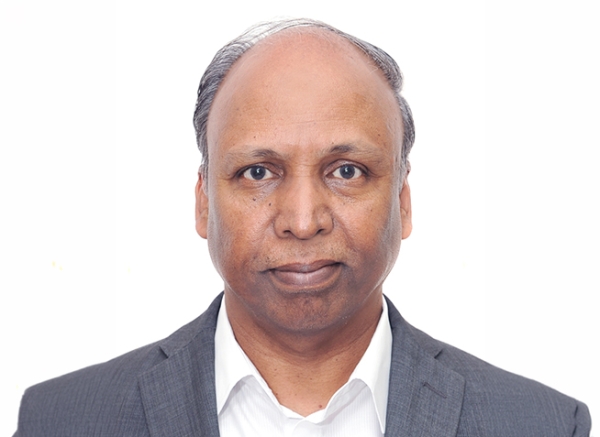
Dr. Palani Balaya works as an Associate Professor at National University of Singapore. His research area includes developing safer lithium-ion battery and sodium-ion battery. He serves as Editorial Board Member of Journal of Power Sources (since 2025) and Ceramics International (since 2022), also as an Associate Editor for the International Journal of Applied Ceramic Technology (since 2022). Elected as an Academician by the World Academy of Ceramics (WAC), Italy (2019) and Fellow of the American Ceramic Society (ACerS) in 2019. In 2025, he has been appointed as the Board of Directors to the ACerS and Advisory Board Member to the WAC. He served in Inter-governmental Panel on Climate Change as a Co-ordinating Lead Author for preparing a Special Report on Renewable Energy Sources and Climate Change Mitigation, in 2011. Delivered more than 160 talks (Plenary/Keynote/Invited) at international conferences/meetings and published 120 articles.
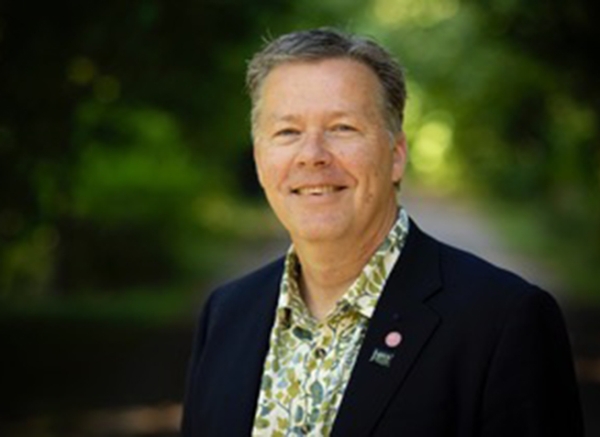
Patrik Johansson is Full Professor in Chemistry at Ångström Advanced Battery Centre, Uppsala University, Sweden, and holds a Distinguished Professor grant with the topic of “Next Generation Batteries” from the Swedish Research Council (48.5 MSEK – ca. 4.5M€, 10 years). He leads a research group of ca. 10 PhD students and postdocs, as well as being the Science and Technology Officer (STO) of BATT-BRIDGE CSA. He has previously been Professor in Physics at Chalmers University of Technology, Sweden, as well as Co-Director of Alistore-ERI, Director of the Graphene Flagship, and Director of Battery 2030+ CSA.
Prof. Johansson received his PhD in Inorganic Chemistry in 1998 on polymer electrolytes (Uppsala University) and has continuously aimed at combining understanding of new materials at the molecular scale, often via ab initio/DFT/AI computational methods and IR/Raman spectroscopy, with battery concept development and real battery performance – with a special interest in all kinds of electrolytes and beyond lithium technologies. He is currently active in several large battery projects both at the national and European level, including educational efforts such as DESTINY. Most notably, his team won the Open Innovation Contest on Energy Storage arranged by BASF in 2015 for his new ideas on Al-battery technology (prize sum 100,000€) and in 2020 he was awarded “l´Ordre des Palmes Académiques, Grade d´Officier” by the French Ministry of Education. He has published ca. 270 papers and started the software company Compular AB together with some former PhD students.
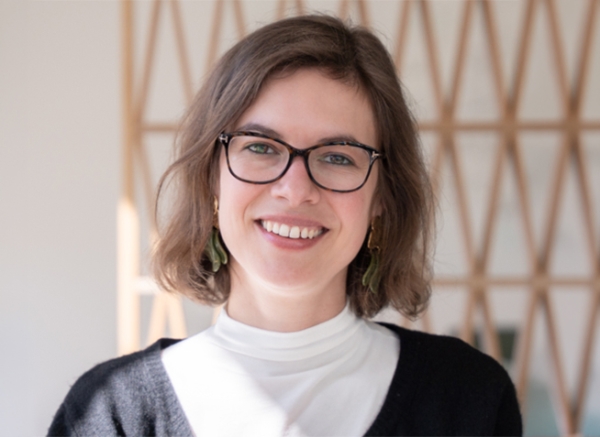
Raphaële Clément is a Director at the Max Planck Institute for Solid State Research, an Associate Professor of Materials at UC Santa Barbara, and an Associate Editor for Journal of Materials Chemistry A (RSC).
Her research focuses broadly on establishing materials design principles and developing advanced processing strategies to enable improved electrochemical energy-storage materials. Her group specializes in magnetic resonance techniques for probing materials at the atomic scale, with a particular emphasis on real-time operando characterization of electrochemical processes.
Her research has been recognized with several early-career awards, including an NSF CAREER Award (2022), a Camille Dreyfus Teacher-Scholar Award (2024), the IBA Early Career Researcher Award (2024), the ECS Battery Division Early Career Award (2024), the RSC Journal of Materials Chemistry Lectureship (2024), and the World Laureates Foundation Prize for Young Scientists (2026).
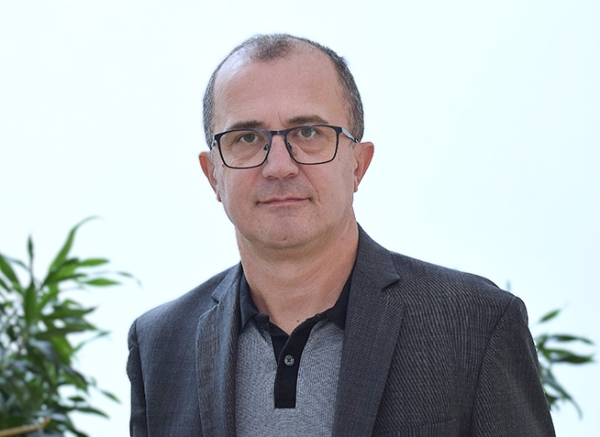
Prof. Dr. Robert Dominko is a Research Professor at the National Institute of Chemistry and a Professor at the University of Ljubljana. He leads the battery research group at the National Institute of Chemistry and he is a head of new infrastructure centre for zero carbon technologies established in Slovenia. His research activities are focused on materials science and electrochemical systems for energy storage. Prof. Dominko is actively involved in European battery initiatives. His bibliographic reports contain over 250 publications and 16 patents. He is a member of the Slovenian Academy of Engineering.
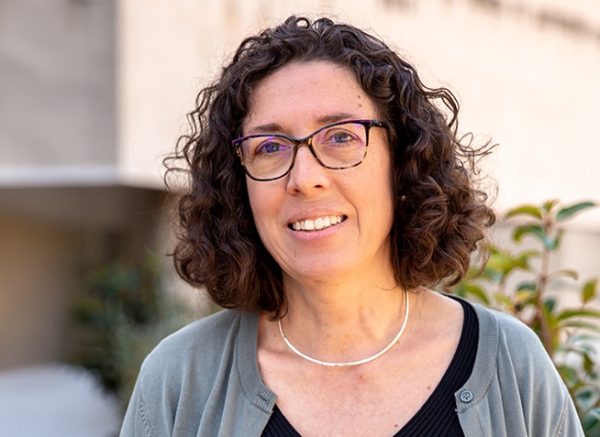
Her career has been fully focused in solid state chemistry and electrochemistry applied to batteries, covering structure-property relationships and operando experiments to elucidate reaction mechanisms. Her research spans from commercial lithium ion and nickel based systems to next generation chemistries such as sodium, magnesium and calcium based batteries, with a strong emphasis on bridging fundamental science and industrial application. She has led major European research projects and international consortia in the battery sector. Member of the governing board of the Batteries Europe ETIP since 2019, she was elected ECS fellow and received the IBA Research award (2021) and the Miguel Catalan-Paul Sabatier Prize by the French Chemical Society (2022).
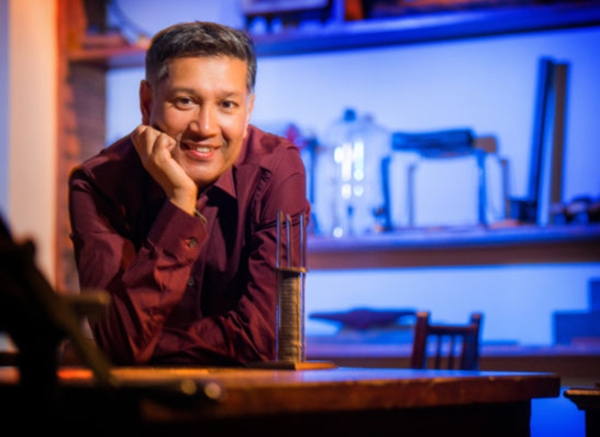
He is Professor of Materials Modelling at the University of Oxford. He grew up in north London and obtained his Chemistry degree and PhD from University College London. He then worked at the Eastman Kodak Labs, New York, and the Universities of Surrey and Bath.
He is fascinated by atomistic processes in new materials for lithium batteries, solid-state batteries and perovskite solar cells. He has received the odd award – recent examples include the RSC Energy & Environment Prize, Royal Society Hughes Medal and ACS Storch Award in Energy Chemistry (but he declined an OBE).
Saiful presented the BBC Royal Institution Christmas Lectures 2016, which included squeezing out a world record lemon battery. He is a Patron of Humanists UK, and when not exploring new materials, he enjoys family breaks (as a dad of two), films and guitary bands such as The Smiths.
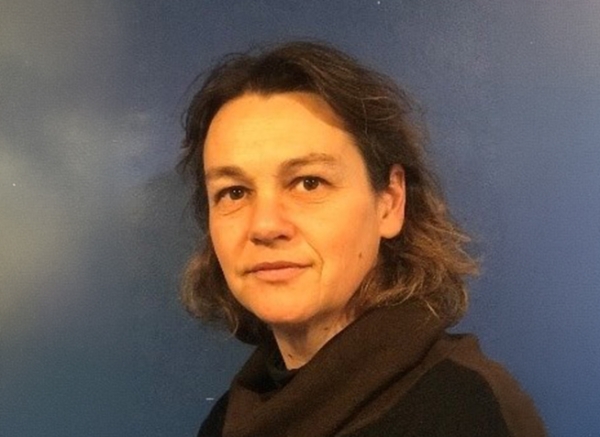
Dr. Sandrine Lyonnard is a physicist, specialist of neutron and X-rays techniques for the characterization of energy materials. In recent years, her research interest focused on the development of operando set-ups and methods to investigate reaction dynamics in electrochemical systems, including multimodal and multiscale approaches. Particularly, her group develops nanoimaging techniques as X-ray microDiffraction coupled to Small Angle Scattering (microSWAXS in scanning or tomographic modes) and micro/nanoComputed Tomography to image and analyse chemomechanics and materials transformations in Li-ion and Na-ion battery materials, from particle scale to component and cell level. She is coordinating the X-ray European Battery Hub and the Neutron Battery Hub in Grenoble, France, that develop new access modes, standardized workflows and community tools for correlative multi-techniques battery characterization.
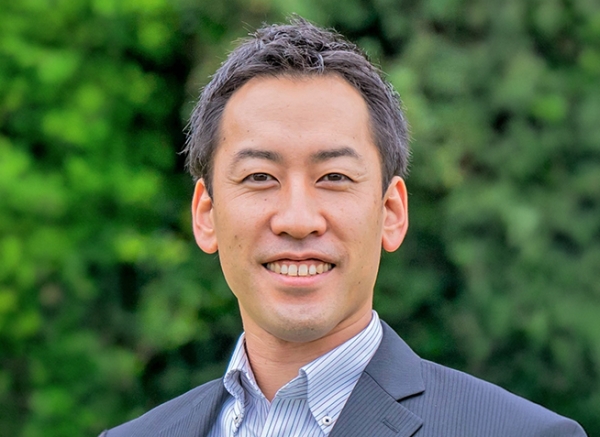
Saneyuki Ohno received his B.Eng. in Applied Physics from Keio University in 2012 and his Ph.D. in Materials Science from the California Institute of Technology in 2017. He subsequently conducted postdoctoral research at Justus Liebig University Giessen as a Humboldt Research Fellow. In 2020, he was appointed Assistant Professor in the Department of Applied Chemistry at Kyushu University. Since 2023, he has been an Associate Professor at the Institute of Multidisciplinary Research for Advanced Materials, Tohoku University. His research focuses on functional inorganic materials and composites involving ion, electron, and phonon transport, with applications in energy storage and conversion, including solid electrolytes, thermoelectrics, and electrodes for solid-state batteries.
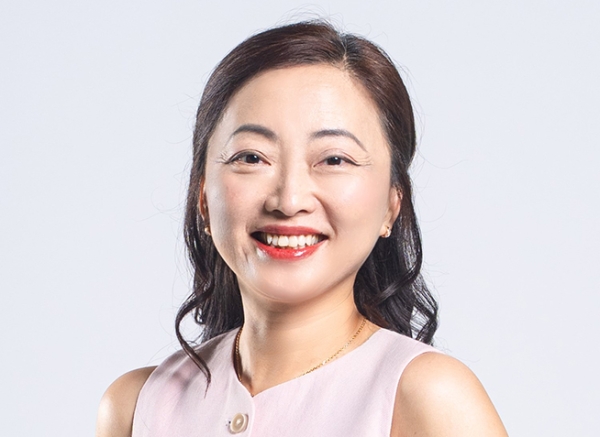
Professor Y. Shirley Meng is the Distinguished University Professor and Vice President (Industry) at Nanyang Technological University (NTU), Singapore. Prof Meng’s accolades include the Shep Wolsky Battery Innovation Award (2025), NATTBatt Lifetime Achievement Award (2025), ACS Research Excellence in Electrochemistry Award (2024) ECS Battery Division Research Award (2023). She is an elected Fellow of the Electrochemical Society (FECS), Materials Research Society (FMRS), and the American Association for the Advancement of Science (AAAS). With over 350 peer-reviewed articles, two book chapters, and twelve issued patents, her research has profoundly impacted energy storage science.
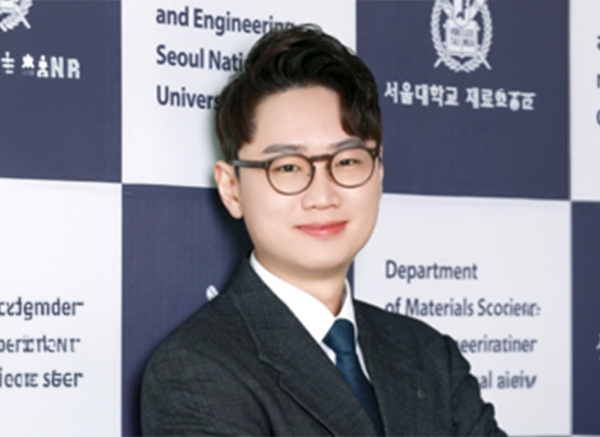
Prof. Sung-Kyun Jung is an Assistant Professor jointly affiliated with the School of Transdisciplinary Innovations and the Department of Materials Science and Engineering at Seoul National University (SNU), South Korea. He received his B.S., M.S., and Ph.D. degrees in Materials Science and Engineering from SNU. He worked as a Staff Researcher at the Samsung Advanced Institute of Technology (SAIT) from 2018 to 2021 and served as an Assistant Professor at Ulsan National Institute of Science and Technology (UNIST) from 2021 to 2025 before joining SNU. His research focuses on next-generation rechargeable batteries, particularly all-solid-state batteries, including solid electrolyte materials, interfacial chemistry, chemo-mechanical degradation, and advanced characterization using synchrotron X-ray techniques. His group aims to develop a mechanistic understanding and materials design strategies for high-energy, safe, and reliable solid-state batteries. He was selected as a 2024 Emerging Investigator by Journal of Materials Chemistry A for his contributions to battery materials research. He also serves on the Editorial Advisory Board of Chemistry of Materials.
If you want to know the latest trends in energy storage and new developments in research, subscribe.
If you want to join a top-level team, collaborate with specialists in multiple disciplines or tell us about your concerns, don't think twice...