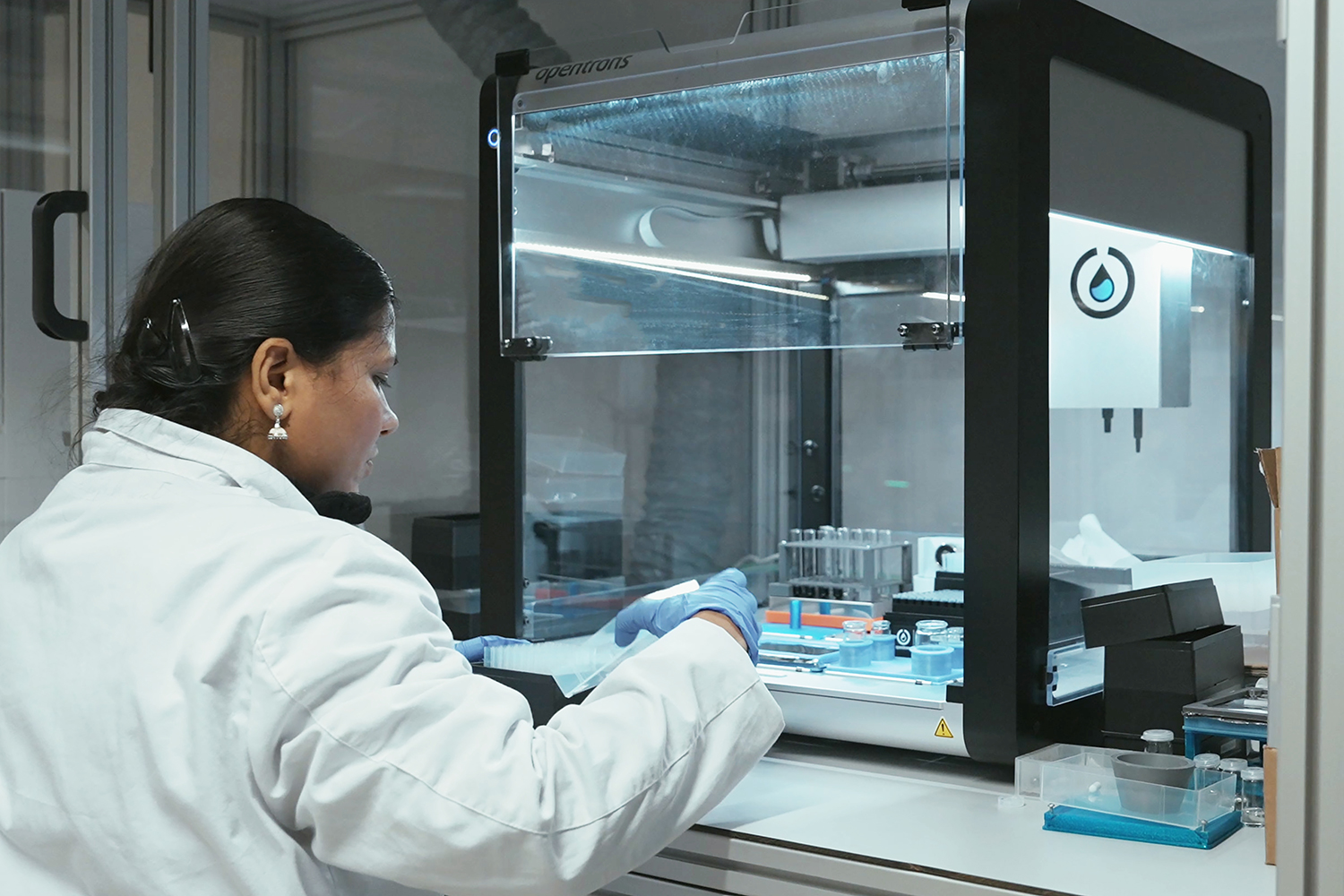

The SMART project (PID2022-140823OB-I00), led by CIC energiGUNE, addresses this challenge through an integrated strategy combining materials research, experimental automation, advanced characterization and intelligent data management.
Throughout the project, SMART has progressed simultaneously across these different areas, laying the foundations for a research platform capable of accelerating both the discovery of new sodium-ion battery materials and the understanding of the mechanisms governing their behaviour.
The work covers three main material families: hard-carbon anodes, transition-metal layered oxides and Prussian White cathode materials. SMART´s progress report already identifies significant advances across all three, ranging from new hard carbons to layered-oxide compositions with promising high-voltage stability and previously unreported Prussian White compounds.
New materials across a much wider chemical space
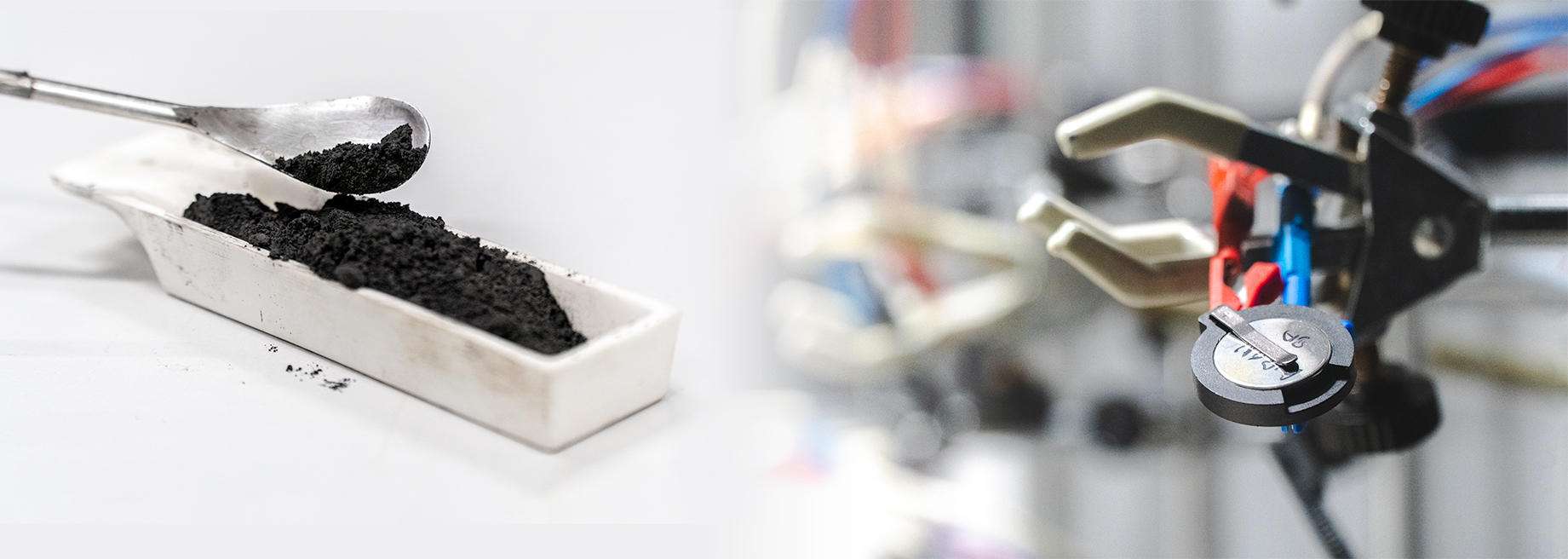
For hard carbons, SMART has explored synthesis routes using precursors such as xylose, combining hydrothermal pre-carbonization with high-temperature pyrolysis. Optimization of the synthesis conditions has produced materials with relevant morphological and structural characteristics while meeting several of the performance indicators established by the project.
In parallel, different compositions of sodium transition-metal layered oxides have been investigated. One noteworthy result comes from the P2-Na₂/₃Mn₂/₃Ni₁/₃₋yCuyO₂ family, where one of the studied compositions exhibited good structural stability when charged up to 4.5 V. The work also points to copper as a particularly interesting transition metal for enabling reversible high-voltage redox activity in these materials.
The third major research line focuses on Prussian White compounds. SMART has synthesized different compositions and explored synthesis variables to better understand their relationship with electrochemical performance. One composition showed a reaction involving close to two sodium ions that could be maintained for more than 50 cycles, while further studies are examining the influence of water and dehydration processes on material performance.