What was for years considered a complementary solution within the broader flexibility toolkit has evolved into a far more strategic, diverse, and decisive field for industrial decarbonization, renewable management, and long-term energy planning.
The dynamics observed this year reflect a sector advancing simultaneously in multiple directions: new materials and configurations, integration with renewables, next-generation thermal networks, hybridization with other energy vectors, advanced waste-heat recovery, and remarkable progress in thermoelectric conversion.
These trends are not isolated developments, but clear signals of the maturity thermal storage is attaining and of the pillars that will guide its competitiveness in the coming years, both in industry and in urban/regional energy systems.
1. The rise of medium- and high-temperature thermal storage as a complement to electrification
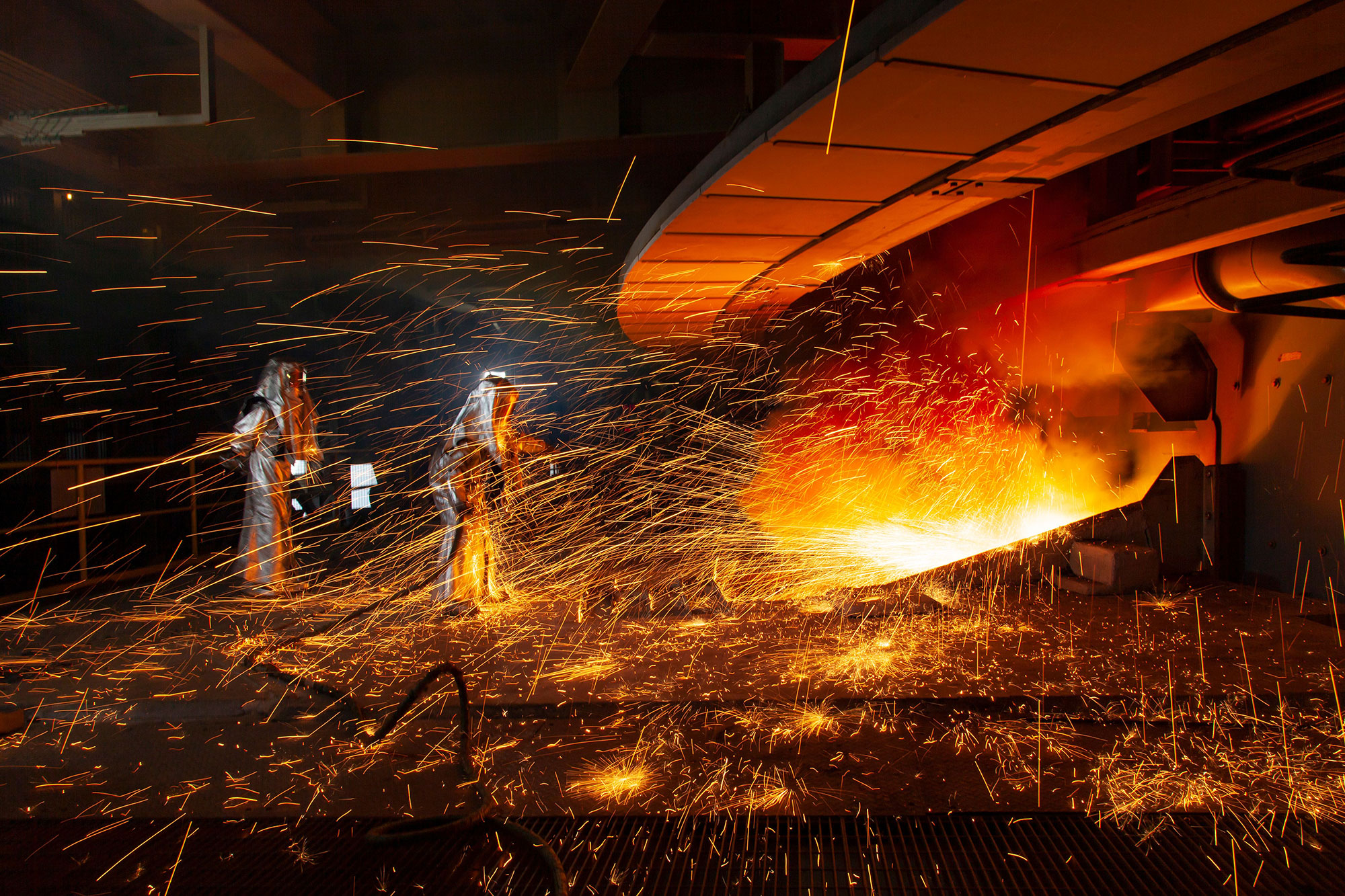
Thermal storage is no longer seen as a secondary technology compared to electrochemical storage. Industrial sectors requiring temperatures above 300–400 °C—metallurgy, ceramics, chemicals, cement—are adopting thermal systems as a direct pathway to replace fossil fuels and decarbonize operations that are hard to electrify.
2. Consolidation of advanced materials: reinforced concrete, ceramic bricks, dense rocks, molten salts and metals
Research in materials for sensible and latent heat storage has progressed significantly, with new compounds enabling more stable cycles, greater durability, and costs below those of lithium-ion. This is particularly relevant for long-duration stationary and industrial applications.
3. Growth of thermoelectric technologies to convert heat into electricity
Systems such as Stirling engines, reversed Brayton cycles, enhanced thermoelectrics, and thermo-photovoltaic cells are resurging thanks to improvements in efficiency and stability. This trend enables stored heat to be valorized beyond its direct thermal use, adding flexibility to the power system.
4. Integration of thermal storage with renewables to convert surplus electricity into stable heat
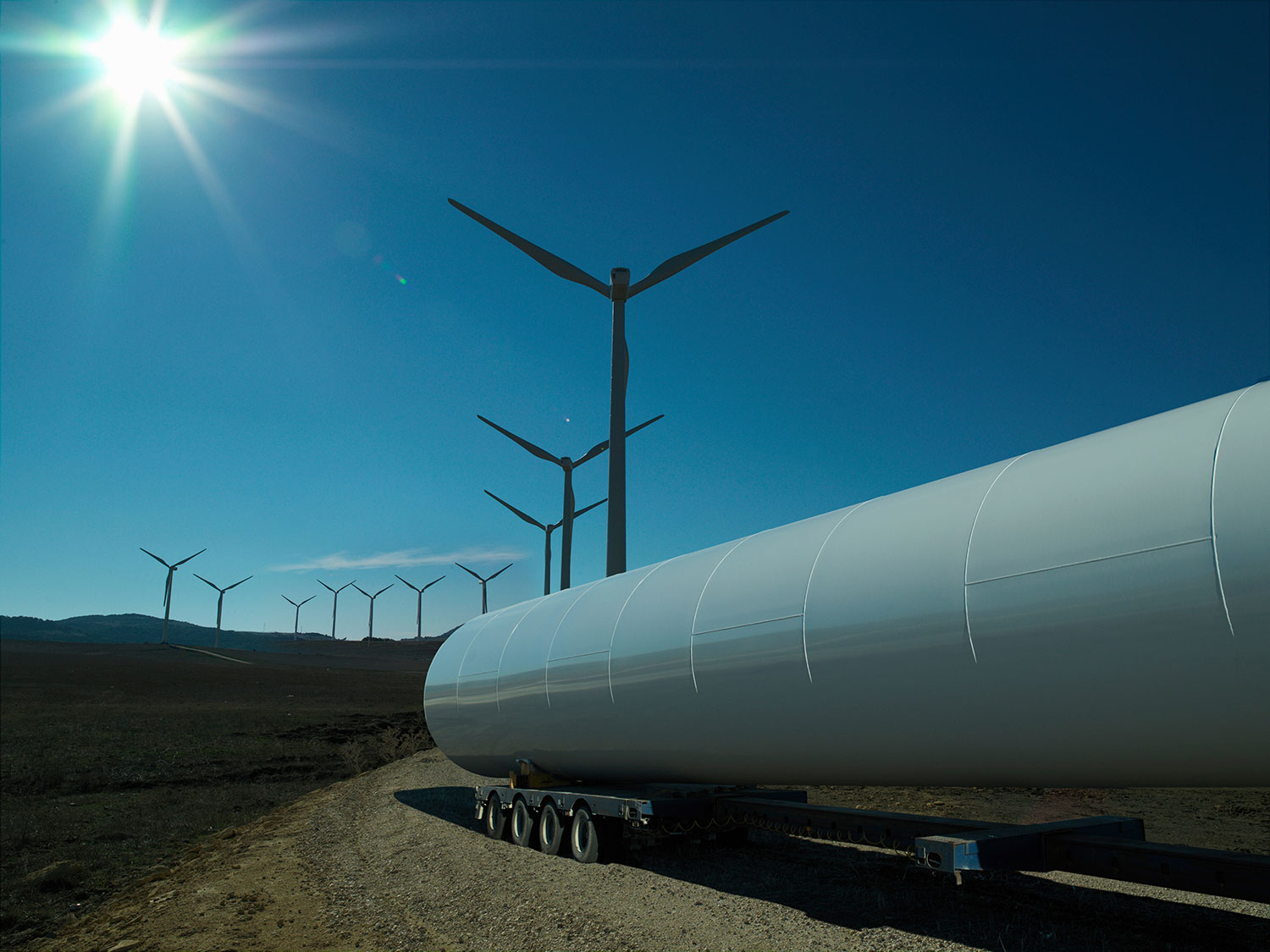
Renewable-thermal coupling (PV + resistive heating; wind + direct heating; solar thermal + salts) makes it possible to absorb excess electricity, transform it into heat, and use it later in industrial processes, district heating, or reconversion into electricity. It is an efficient way to manage renewable flexibility without relying solely on electrochemical storage.
5. The return of concentrated solar power (CSP) with new thermal configurations
Concentrated solar power is regaining prominence thanks to advances enabling higher operating temperatures, improved conversion cycles, and the use of more stable and competitive molten salts and ceramic materials. These developments strengthen its role as a technology capable of generating and storing heat in an integrated way.
New hybrid configurations combining CSP with PV and batteries further enhance solar capture and operational flexibility. This makes CSP especially attractive in high-irradiance regions where it can provide a more stable and dispatchable supply.
6. Expansion of heating and cooling networks with decentralized thermal storage
The growth of district heating and cooling networks in Europe, Asia, and the Middle East comes with seasonal thermal storage tanks, aquifer thermal energy storage (ATES), shallow geothermal wells, and large-scale hot/cold water reservoirs. The trend: integrating thermal storage at the scale of entire neighborhoods to reduce fossil dependence.
7. Accelerated development of thermal storage for HVAC and peak management
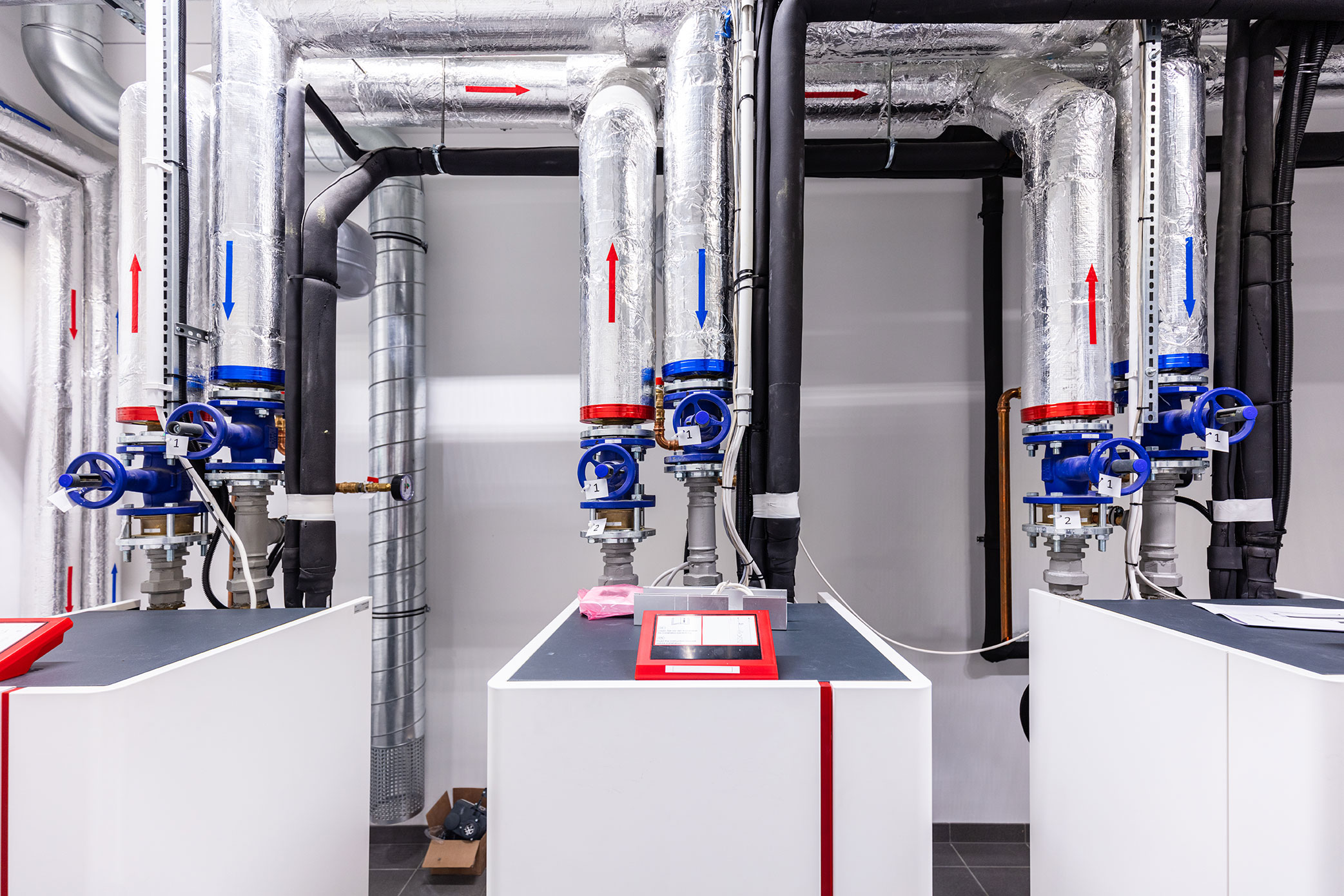
Buildings and industrial complexes are increasingly adopting low-temperature thermal storage systems, from ice tanks and phase-change materials to chilled or subcooled water and reversible thermochemical solutions. These configurations store cooling efficiently and release it when required.
Their adoption responds to the need to shift electrical consumption, relieve peak-hour load, and bring stability to the grid. By smoothing demand peaks and optimizing energy use, these systems have become key tools for efficiency and operational flexibility in urban and industrial environments.
8. Thermal–electrochemical–hydrogen hybridization for multisector energy services
Hybrid solutions combining different energy vectors and technologies are becoming more common, integrating stored heat with batteries, hydrogen production and synthetic fuels, thermoelectric conversion, and advanced waste-heat recovery. This convergence enables better use of available resources and increases operational flexibility.
The trend is clear: the sector is moving toward complex, complementary systems capable of responding to multiple demands in a coordinated manner. There is no single dominant solution, but hybrid configurations tailored to different scales, uses, and conditions.
9. Revalorization of industrial waste heat as an energy resource
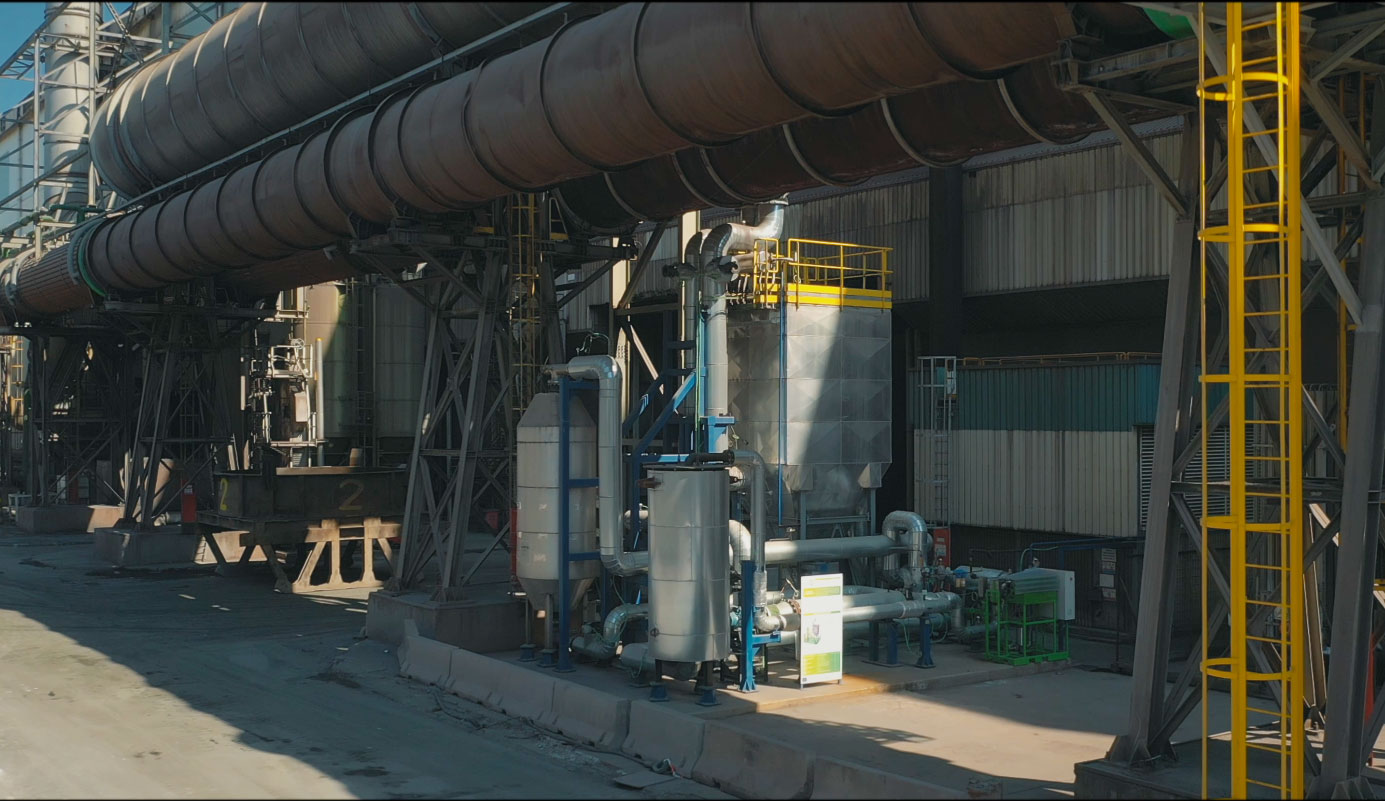
Energy-intensive industries are increasingly recovering and storing their own waste heat for reuse in processes, district thermal systems, electricity conversion, or pre-heating. This approach responds to the need to improve efficiency, comply with mandatory decarbonization, and strengthen industrial competitiveness.
Waste heat thus ceases to be an unused by-product and becomes a new "energy vector" within the mix, adding value and reducing additional consumption.
10. A new generation of ultra-high-density thermochemical systems
Thermochemical systems are seeing major advances in stability, cyclability, and material costs, reinforcing their appeal as a high-energy-density solution far superior to sensible or latent heat storage. This positions them as ideal for seasonal storage, heat transport, large-scale renewable integration, or industrial operations with significant variability.
Their potential and versatility have made TCES one of the most dynamic and promising research areas of 2025, attracting growing interest from industry and the scientific community.