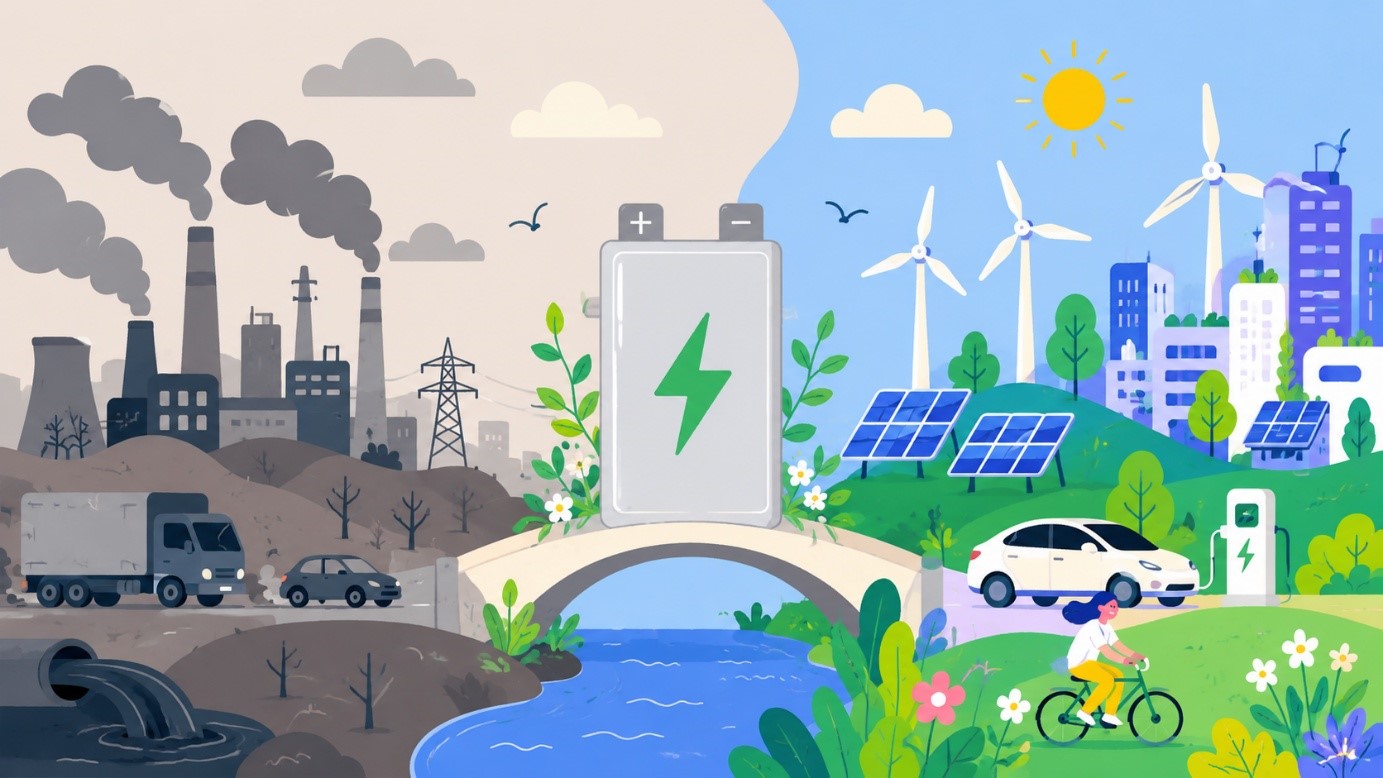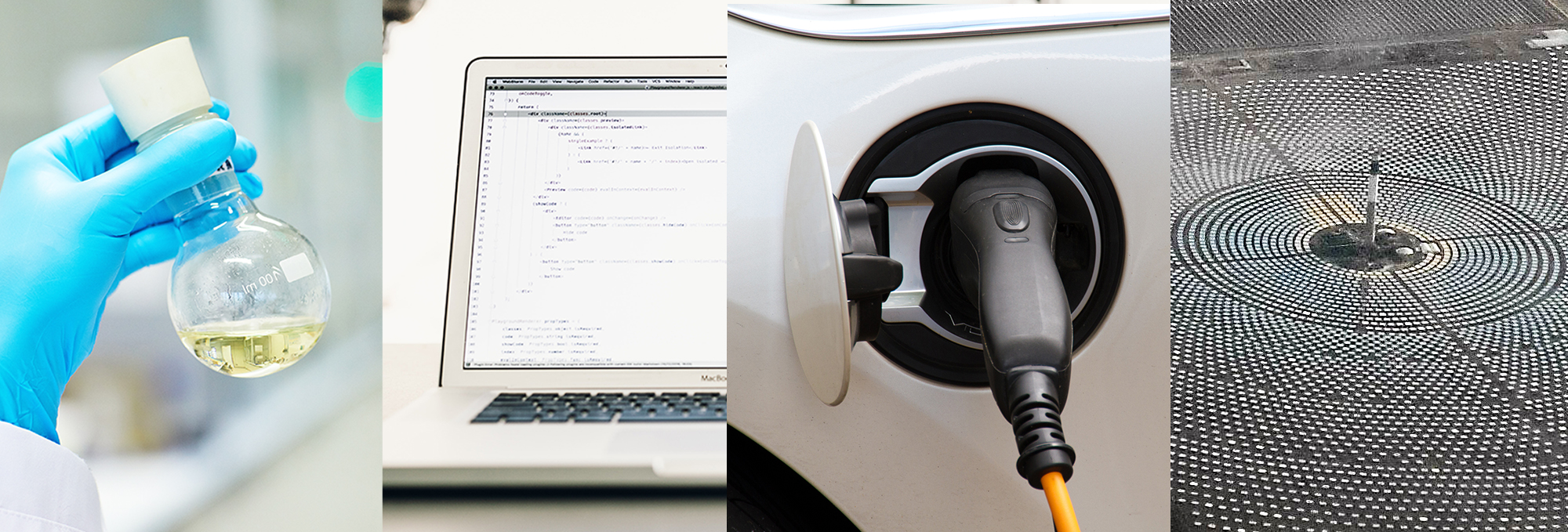

Electrification is advancing at great speed. Electric vehicles, renewable energies, decarbonised industry, smart grids and new mobility solutions are already part of a transformation that will define the coming decades. But behind all these changes lies a fundamental technological challenge: how to store and manage that energy in a reliable and scalable way.
In this context, batteries and energy storage technologies have become a strategic element not only from an environmental perspective, but also from an industrial and geopolitical one. Europe is currently facing a double challenge: accelerating the energy transition while reducing its technological dependence and its reliance on critical raw materials in an increasingly competitive global scenario.
For this reason, the debate can no longer focus solely on having more batteries, but rather on developing better technologies: more sustainable, safer, more efficient and better adapted to the real needs of each application. The next generation of energy storage will have to combine performance, cost, recyclability, safety and material availability.
Technologies such as sodium-ion batteries, redox flow batteries, sulphur batteries, advanced electrolytes, thermal storage and other new energy management solutions are part of this effort to build more resilient and sustainable energy systems. Because the energy transition will not be possible unless we are able to develop scalable and accessible technologies for society as a whole.