AURKITU INTERESGARRIA DITUEN EDUKIAK
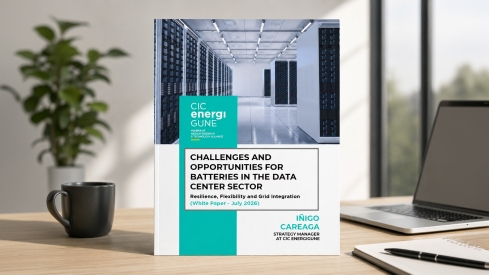
This white paper explores how the rapid growth of data centers—especially AI-driven infrastructure—is reshaping the role of batteries, from traditional backup systems to strategic assets supporting resilience, power management, renewable integration and grid flexibility.
It examines the specific technical, safety and economic requirements of this emerging market, including high power capability, rapid response, reliability, lifetime, thermal management, advanced diagnostics and total cost of ownership. The report also compares the positioning of key technologies such as lead-acid, LFP, NMC, sodium-ion, redox flow batteries, high-power lithium-ion, zinc-based systems and supercapacitors.
As AI increases rack power densities and creates faster, more variable electrical loads, data centers are likely to adopt increasingly diversified and hybrid energy storage architectures. The report identifies the main opportunities for battery manufacturers and technology developers seeking to address the evolving needs of next-generation digital infrastructure.
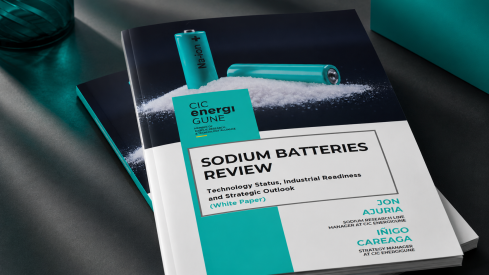
Sodium-ion batteries are entering a decisive phase as the battery industry looks for safer, more cost-competitive and resource-resilient technologies. No longer limited to academic research, sodium-ion is moving towards pilot lines, early commercial deployment and strategic industrial evaluation.
This report offers a clear overview of the current status of sodium-ion technology, including its value proposition, technical challenges, competing chemistries, industrial readiness, market opportunities, cost positioning, sustainability, regulation and roadmap towards 2035.
Designed for battery manufacturers, materials suppliers, OEMs, storage developers, investors and industrial stakeholders, it explains where sodium-ion batteries can create real value, why they should be understood as complementary to lithium-ion, and what will determine their path towards scalable and commercially credible adoption.
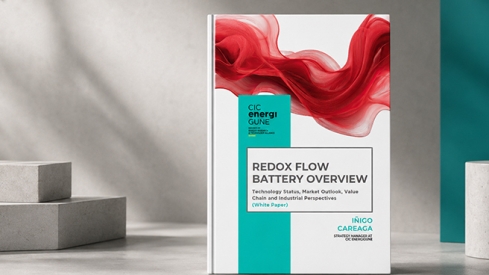
Redox flow batteries are gaining strategic relevance as power systems require safer, more durable and longer-duration energy storage solutions. As renewable generation grows, grid flexibility, industrial resilience and multi-hour storage are becoming essential requirements for the energy transition.
This report offers a clear overview of redox flow battery technologies, including their technical fundamentals, maturity status, market outlook, cost competitiveness, value chain, European R&D ecosystem, regulation, financing, industrial policy and technology roadmap towards 2035.
Designed for battery manufacturers, component suppliers, utilities, renewable developers, investors and industrial stakeholders, it explains where redox flow batteries can create real value, why they should be understood as complementary to lithium-ion, and what will determine their path towards bankable commercial deployment.
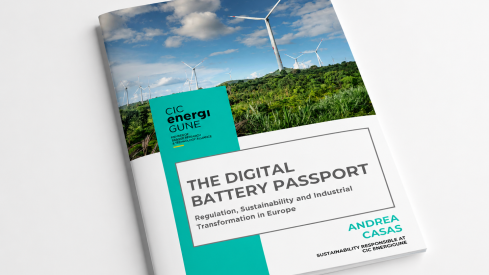
The Digital Battery Passport will soon become a key requirement for batteries placed on the European market. But it is more than a regulatory obligation: it will shape how companies manage data, prove sustainability, ensure traceability and remain competitive.
This report offers a clear overview of the upcoming requirements under Regulation (EU) 2023/1542, including carbon footprint, Life Cycle Assessment, recycled content, supply-chain due diligence, digitalisation and circular economy.
Designed for battery manufacturers, suppliers, OEMs and industrial stakeholders, it explains why early preparation is essential to reduce compliance risks, improve data readiness and turn the Battery Passport into a strategic advantage.
This dossier is an essential resource for any organisation operating in the battery value chain and facing the new EU sustainability obligations. It explains the regulatory requirements on carbon footprint, recycled content, recycling efficiency and the upcoming Battery Passport—and more importantly, how CIC energiGUNE can help you comply with them efficiently and competitively. Through our expertise in LCA, environmental footprint assessment and sustainability strategy development, we provide the tools and guidance needed to minimise risks, meet market expectations and strengthen your position in a rapidly evolving regulatory landscape. Download the dossier to understand why partnering with CIC energiGUNE is key to staying compliant and ahead in the transition to sustainable battery manufacturing.
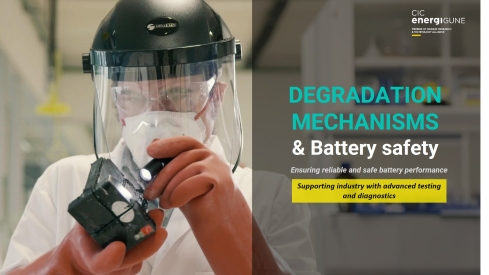
At CIC energiGUNE, we continue working alongside industry to develop safer, more reliable, and longer-lasting energy storage systems. A key part of this effort is understanding how and why batteries degrade, as this knowledge is essential to improving performance, extending lifetime, and preventing safety risks.
In the attached dossier, you will find an overview of our capabilities in degradation and safety assessment — from advanced materials characterization and electrochemical testing to controlled abuse experiments and post-mortem analysis — supported by unique infrastructure and extensive experience across all major battery technologies.
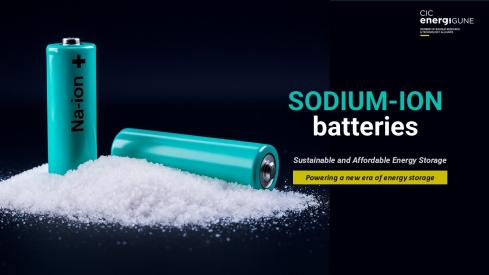
At CIC energiGUNE, we are working to transform the future of energy storage. That is why we always strive to be at the forefront of state-of-the-art technology and innovation, offering the best solutions for our customers and their needs.
Thanks to our research, we are currently a benchmark in one of the most promising alternatives for the future: sodium-ion batteries. Through our work, we seek to develop this technology, which will be key to the future of the energy transition.
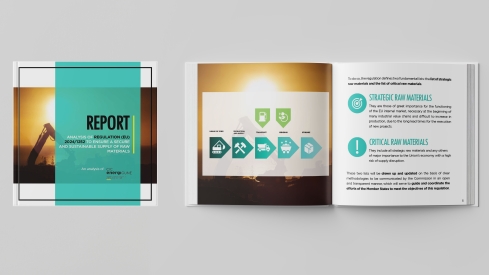
El Reglamento (UE) 2024/1252, adoptado el 11 de abril de 2024, tiene su origen en la Ley de Materias Primas Críticas que y cuyo objetivo principal es mejorar el funcionamiento del mercado interior, estableciendo un marco que garantice el acceso de la Unión a un suministro seguro, resistente y sostenible de materias primas críticas.
Descarga el informe elaborado por nuestra especialista en sostenibilidad, Andrea Casas, sobre los puntos más importantes de esta nueva normativa que afecta directamente al sector.
Joan den 2021eko irailaren 23an, CIC energiGUNEn Webinar «Solid-state batteries: Manufacturing the future» hartu genuen. Ekitaldi horretan, automobilgintzarako eta aplikazio geldikorretarako egoera solidoko baterien arloko 10 aditu nagusi bildu ziren.
Michel Armandek, Kristina Edströmek, Frederik Vorholtek... eta Iberdrola, Blue Solutions edo AVL bezalako konpainiek hitzaldiak eman zituzten merkatuan mota horretako bateriek dituzten erronkei, ibilbide-orriei eta joerei buruz.
Harpidetu zaitez newsletterrera eta sar zaitez eduki osoan, modu esklusiboan eta doan.
Energia biltegiratzeko azken joerak eta ikerkuntzako berrikuntzak ezagutu nahi badituzu, harpidetu zaitez.

Goi-mailako talde batean sartu nahi baduzu, hainbat diziplinatako espezialistekin elkarlanean aritu edo zure kezkak kontatu nahi badituzu, ez pentsatu bi aldiz...